
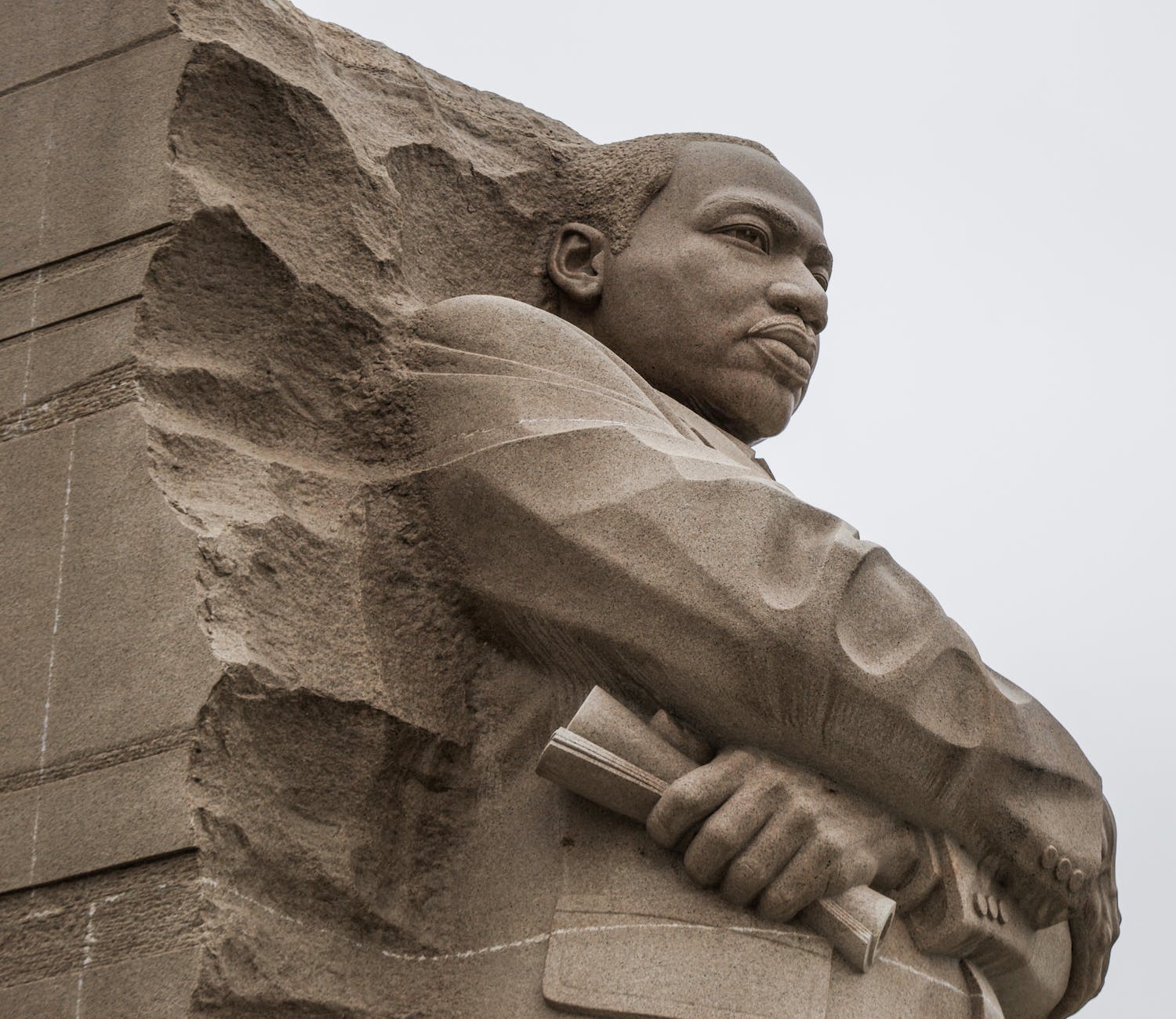
Black History Month, celebrated annually in February in the United States, serves as a dedicated time to honor the rich heritage, achievements, and struggles of African Americans. However, the significance of Black history transcends a single month; it is an integral part of the broader narrative of American history. Teaching Black history throughout the year is essential because it underscores the indispensable contributions African Americans have made to shaping the nation and ensures a more comprehensive understanding of the complexities of American identity.
From the earliest days of American history, African Americans have played pivotal roles in various spheres. During the era of slavery, despite enduring unimaginable and horrific hardships, African Americans contributed nearly 25% to the US economy through their forced labor, propelling the nation into a position of global economic prominence. Amidst this deplorable period, rich cultural traditions blossomed as slaves fiercely fought for their freedom through acts of resistance and rebellion. Figures like Harriet Tubman, who led countless slaves to freedom through the Underground Railroad, and Frederick Douglass, whose powerful rhetoric challenged the institution of slavery, exemplify the resilience and determination of African Americans in the face of oppression.
The abolition of slavery marked the beginning of a new chapter in Black history. African Americans continued to make significant strides despite facing systemic racism and discrimination. In the realm of politics, figures like Sojourner Truth and Ida B. Wells fought tirelessly for women’s suffrage and racial equality. The Civil Rights Movement of the 20th century, led by icons such as Martin Luther King Jr., Rosa Parks, and Malcolm X, catalyzed monumental changes in legislation and societal attitudes, paving the way for greater equality and justice.
Beyond activism, African Americans have made indelible contributions to various fields, including literature, music, science, and technology. Writers like Langston Hughes, Zora Neale Hurston, and Maya Angelou have enriched American literature with their poignant reflections on the Black experience. In music, jazz, blues, and hip-hop, genres pioneered by African Americans, have become global cultural phenomena, influencing artistry across the world. Figures like George Washington Carver, whose innovations in agriculture revolutionized farming practices, and Katherine Johnson, whose mathematical calculations were crucial to NASA’s space missions, exemplify the intellectual prowess and ingenuity of African American scientists and inventors.
Teaching Black history as an integral part of US education is essential for fostering a more inclusive and accurate understanding of the nation’s past. By incorporating diverse perspectives and narratives into the curriculum, students gain a more nuanced understanding of the complexities of American society and the ongoing struggle for equality. Moreover, recognizing the contributions of African Americans instills a sense of pride and empowerment among Black students, affirming their place in the national narrative and inspiring future generations to pursue excellence.
Furthermore, integrating Black history into the curriculum helps combat stereotypes and misconceptions that perpetuate prejudice and discrimination. By highlighting the achievements and resilience of African Americans, educators can challenge harmful narratives and promote empathy, respect, and understanding among students of all backgrounds. Moreover, a comprehensive understanding of Black history fosters critical thinking skills and encourages students to interrogate the legacies of racism and injustice that continue to shape contemporary society.
Teaching Black history throughout the year is not only a matter of recognizing the invaluable contributions of African Americans but also essential for cultivating a more inclusive, equitable, and informed society. By integrating diverse perspectives into the curriculum, educators can empower students to confront injustice, celebrate diversity, and work towards a more just and equitable future for all. Black history is American history, and its lessons are integral to understanding the past, present, and future of the United States.

 Teach Potential
Leave a comment